
The Retro Bean-To-Cup Coffee Machine: A Blend of Nostalgia and Modern Convenience
Coffee enthusiasts frequently find themselves divided between the attraction of traditional brewing techniques and the benefit provided by contemporary machines. In this age of technological developments, the retro bean-to-cup coffee machine provides an elegant service that marries sentimental aesthetics with contemporary performance. This blog post will check out the features, advantages, and factors to consider of owning a retro bean-to-cup coffee machine.
Table of Contents
- Intro
- Features of a Retro Bean-To-Cup Coffee Machine
- Advantages of Choosing Retro
- Relative Analysis: Retro vs. Modern Coffee Machines
- Top Models in the Market
- Frequently Asked Questions about Retro Bean-To-Cup Coffee Machines
- Conclusion
1. Introduction
The idea of a bean-to-cup coffee machine is basic: it takes fresh coffee beans, grinds them, brews them, and dispenses a cup of coffee-- all at the push of a button. This innovation has actually changed the way we enjoy our day-to-day caffeine fix, combining convenience and freshness. The retro bean-to-cup coffee machine, defined by its classic design and innovative innovation, interest customers who appreciate both looks and performance.
2. Functions of a Retro Bean-To-Cup Coffee Machine
Secret Features
| Function | Description |
|---|---|
| Built-in Grinder | Freshly grinds whole beans for ideal taste. |
| Customization | Choices for strength, cup size, and developing time. |
| Timeless Design | Classic aesthetic appeals that enhance cooking area decoration. |
| Milk Frother | Automatic or manual frothing for lattes and cappuccinos. |
| Easy Maintenance | Removable parts for easy cleansing. |
| Instinctive Controls | User-friendly interface with programmable settings. |
Notable Components
- Grinder: The heart of the machine, efficient in grinding beans to different coarseness levels.
- Water Tank: Stores fresh water, typically detachable for easy filling.
- Brewing Unit: Handles the brewing procedure, which can be personalized based on personal preferences.
3. Advantages of Choosing Retro
Factors to Opt for a Retro Bean-To-Cup Machine
| Advantage | Description |
|---|---|
| Visual Appeal | Adds a stylish vintage touch to any kitchen. |
| Convenience | Delight in fresh coffee without the need for several devices. |
| Sustainability | Lowers waste by using whole beans and typically includes environment-friendly components. |
| Affordable | Eliminates the need for coffee shop gos to, conserving cash over time. |
| Sophistication | Impresses guests with its special style and high-quality brew. |
The retro style can evoke memories while also functioning as a discussion starter, making it a fantastic addition to homes going for a cohesive vintage theme.
4. Relative Analysis: Retro vs. Modern Coffee Machines
Understanding the distinctions in between retro and modern-day machines can assist customers make notified choices.
Comparison Table
| Function | Retro Bean-To-Cup | Modern Bean-To-Cup |
|---|---|---|
| Design | Classic, nostalgic visual. | Sleek, minimalist designs. |
| Technological Features | Fundamental however efficient; some might do not have advanced tech. | Advanced technology with clever features. |
| Cost Range | Typically more budget-friendly. | Can be considerably more costly for high-end models. |
| Customization | Usually offers standard personalization. | Advanced customization for each aspect of brew. |
Both choices have their benefits, and the very best option ultimately depends upon personal preferences and way of life.
5. Leading Models in the Market
Several retro bean-to-cup coffee machines stand apart for their design and efficiency. Below is a choice of some of the most popular models:
| Model | Rate Range | Key Features |
|---|---|---|
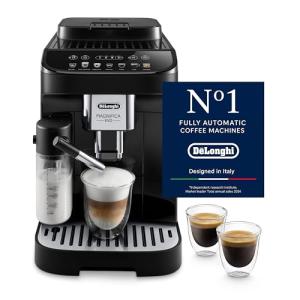
| De'Longhi ECAM35020 | ₤ 800 - ₤ 1,000 | Integrated milk frother, adjustable shot size. |
| Gaggia Brera | ₤ 400 - ₤ 500 | Compact style, user friendly user interface. |
| Smeg ECF01 PBEU | ₤ 500 - ₤ 700 | Stylish pastel colors, Retro Bean To Cup Coffee Machine (they said) style, and ease of use. |
| Philips 3200 Series | ₤ 900 - ₤ 1,100 | Touchscreen interface, numerous coffee designs. |
These machines perform admirably while also functioning as lovely additions to any cooking area setup.
6. FAQs about Retro Bean-To-Cup Coffee Machines
Q1: How do I clean up a retro bean-to-cup coffee machine?
A: Most machines come with detachable elements that can be easily rinsed or positioned in the dishwashing machine. Regular cleaning of the grinder and developing system is important to preserve perfect performance.
Q2: Do retro machines take up more counter space?
A: While some models may have a bulkier style due to retro visual appeals, lots of are designed to be compact to fit within contemporary kitchen areas.
Q3: Can I use pre-ground coffee in these machines?
A: Typically, bean-to-cup machines are best matched for whole beans. Nevertheless, some may allow the use of pre-ground coffee, but it's vital to check the manufacturer's guidelines.
Q4: Are retro machines more costly than modern ones?
A: Prices can differ considerably, however normally, retro machines can be more budget-friendly than high-end modern bean-to-cup choices.
Q5: Are retro machines easy to use?
A: Yes, most retro machines are created with user-friendly user interfaces and straightforward controls, making them accessible even for novices.
7. Conclusion
In a period when coffee developing innovation is ever-evolving, the retro bean-to-cup coffee machine emerges as a delightful mix of fond memories and functionality. It caters not just to coffee enthusiasts trying to find a glowing brewing experience but also works as a remarkable declaration piece for any kitchen area. Whether choosing aesthetic charm or exceptional coffee quality, the retro bean-to-cup coffee machine offers the best of both worlds. With numerous alternatives available in the market, finding the perfect machine is just a cup away.


